 文献检索
文献检索

 PDF
PDF
 下载PDF
下载PDF
[1].Ahmad N. 2024. Educating for tomorrow: Interdisciplinary approaches in the age of artificial intelligence[J]. ResearchGate.
[2].Jen F L, Huang X, Liu X, et al. 2024. Can generative AI really empower teachers’ professional practices?[A]. Comparative study on human-tailored and GenAI-designed reading comprehension learning materials[C]. International Conference on Technology in Education. Singapore: Springer Nature Singapore, 112-123.
[3].Zhou X, Li Y, Chai C S, et al. 2025. Defining, enhancing, and assessing artificial intelligence literacy and competency in K-12 education from a systematic review[J]. Interactive Learning Environments, 1-23.
[4].蔡旻君,张书琦. 2025. 生成式人工智能赋能跨学科主题学习:之由、之道与之径[J]. 中国教育信息化 31(04): 34-45.
[5].管宏靓. 2025. AI技术融入小学英语跨学科教学的实施路径及优化策略[A]. 中国智慧工程研究会教育教学创新发展经验交流会论文集(上册)[C]. 甘肃省兰州市城关区范家湾小学. 24-25.
[6].教育部. 2014 (04-08). 关于全面深化课程改革落实立德树人根本任务的意见 [EB/OL].http://www.moe.gov.cn/srcsite/A26/jcj_kcjcgh/201404/t20140408_167226.html (2025年12月15日读取).
[7].教育部. 2022. 义务教育英语课程标准(2022年版)[M]. 北京:北京师范大学出版社.
[8].沈聪聪. 2025. 生成式人工智能赋能英语跨学科主题学习的实践探索[J]. 教育视界 (38):16-19.
[9].王蔷,刘诗雨. 2023. 在英语教学中开展跨学科主题学习的意义与关键问题解决[J]. 英语学习 (7):6.
[10].郭华. 2022. 落实学生发展核心素养突显学生主体地位——2022年版义务教育课程标准解读[J]. 四川师范大学学报(社会科学版) (04):107-115.
[11].郭华,等.2023. 跨学科主题学习:是什么?怎么做? [M].北京:教育科学出版社.
[12].邢晓棠,徐国辉. 2024. 多元学习支架在高中英语阅读教学中的有效运用[J]. 中小学外语教学(中学篇) 47(08): 27-32.
[13].袁丹. 2022. 指向核心素养的跨学科主题学习:意蕴辨读与行动路向[J]. 课程・教材・教法,42 (10): 70-77.
[14].余文森. 2018. 论学科核心素养形成的机制[J]. 课程・教材・教法 38 (01): 4-11.
[15].钟雪. 2025. 人工智能辅助下大学英语跨学科教学策略探究[J]. 现代英语 (03):13-15
刊期目次
期刊订阅
添加您的邮件地址以接收即将发行期刊数据:
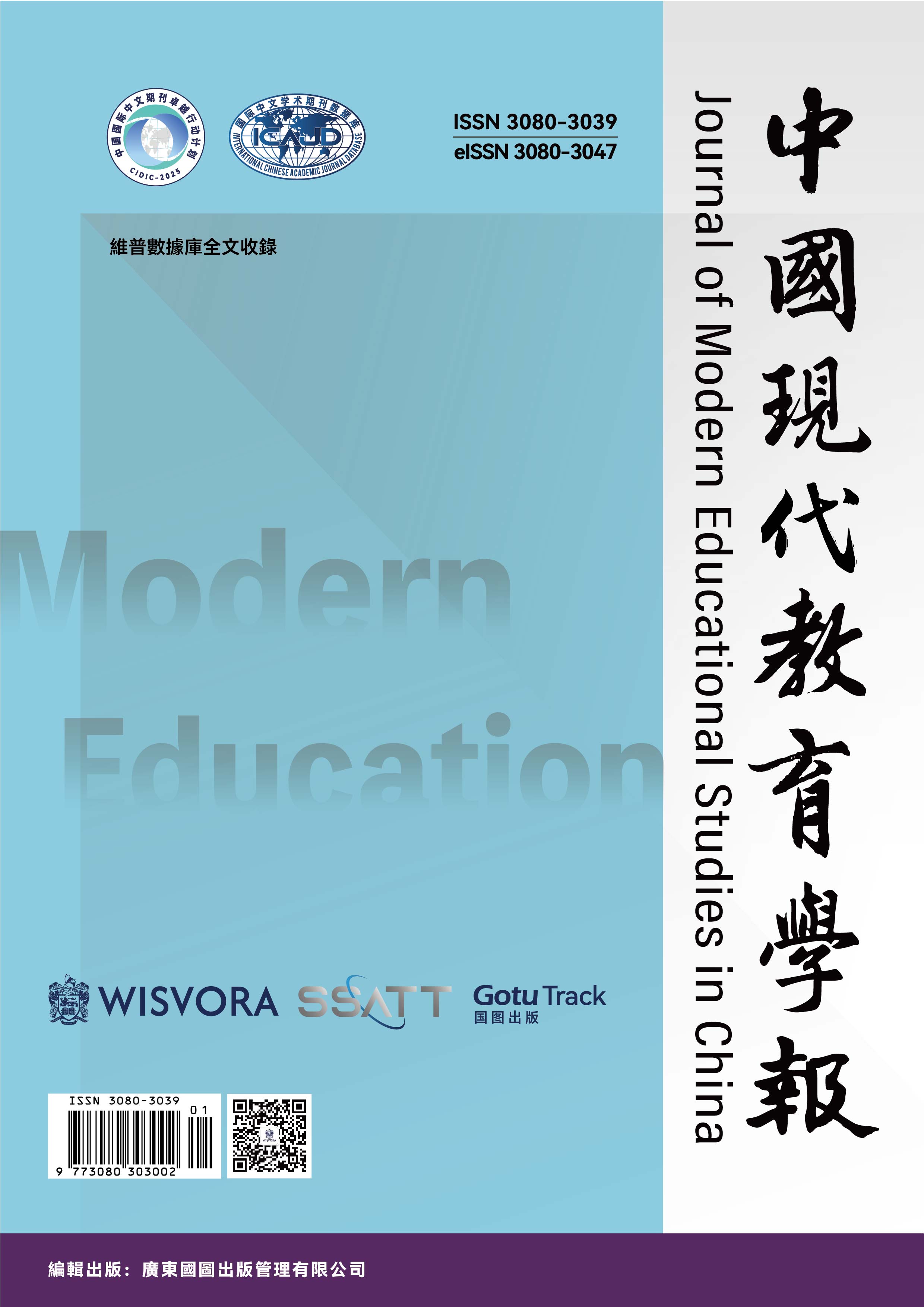
当前位置:中国现代教育学报
>
2026年7-8月-2卷4期
>
文章详情
生成式人工智能赋能初中英语跨学科主题学习的实践研究
A Practical Study on Generative Artificial Intelligence Empowering Interdisciplinary Thematic Learning in Junior High School English
摘要
生成式人工智能的发展为初中英语跨学科主题学习提供了创新支撑。在系统剖析生成式人工智能赋能英语跨学科主题学习的多元优势的基础上,针对当前初中英语跨学科教学中资源匮乏、融合浅层化、个性化指导不足等问题,本研究以人教版七年级英语单元为教学实例,构建了生成式人工智能赋能初中英语跨学科主题学习的实践路径,包括跨学科大概念建构、多模态语料生成、多维学习支架搭建及多元课堂展示。研究旨在优化跨学科资源供给与教学活动设计,推动学生英语语言运用能力、跨学科知识整合能力与实践创新素养的协同发展,实现学生核心素养的全面培育。本研究提出的实践方案具备良好可行性与推广价值,为初中英语跨学科主题学习的提质增效提供了新思路与实践参考。
关键词
生成式人工智能;跨学科主题学习;初中英语
Abstract
The development of generative artificial intelligence provides innovative support for interdisciplinary thematic learning in junior high school English. Based on a systematic analysis of its advantages, this study addresses issues such as resource scarcity, superficial integration, and insufficient personalized guidance in current junior high school English interdisciplinary teaching. Using a seventh-grade English unit from the PEP textbook as an example, it constructs a practical pathway for generative AI to empower such learning, including the construction of interdisciplinary ideas, generation of multimodal language materials, establishment of multidimensional learning scaffolds, and diverse classroom presentations. This research aims to optimize interdisciplinary resource supply and teaching activity design that promotes the coordinated development of students’ English language application ability, interdisciplinary knowledge integration capacity, and practical innovation literacy, thereby fostering the comprehensive cultivation of students’ core competencies. The practical approach proposed demonstrates feasibility and promotion value, offering new ideas and practical references for enhancing the quality and effectiveness of interdisciplinary thematic learning in junior high school English.
Keywords
Generative Artificial Intelligence; Interdisciplinary Thematic Learning; Junior High School English
引用本文
韩江雪,张雪莉. 生成式人工智能赋能初中英语跨学科主题学习的实践研究[J]. 中国现代教育学报. 2026, 2 (4): 54-61. DOI: 10.70693/202607108101.
APA引用
韩江雪, 张雪莉. (2026). 生成式人工智能赋能初中英语跨学科主题学习的实践研究. 中国现代教育学报, 2 (4), 54-61. https://doi.org/10.70693/202607108101
参考文献

 本文依据
知识共享署名 4.0 国际许可协议
授权发布。允许他人在署名原作者及来源的前提下复制、传播和使用本文。
本文依据
知识共享署名 4.0 国际许可协议
授权发布。允许他人在署名原作者及来源的前提下复制、传播和使用本文。
引用本文
国标引用
APA引用


Copyright © 2026 广东国图出版管理有限公司 Wisvora Publishing · 技术支持:广东国图信息技术有限公司
Email:gotu-track@wisvora.com 网址:gotu.wisvora.com
地址:广东省中山市博爱七路25号中山职业技术学院创新楼8层805
本社刊文依据
知识共享署名 4.0 国际许可协议
(CC BY 4.0)授权发布。允许他人在署名原作者及来源的前提下复制、传播和使用本社刊文。
 本出版社期刊出版地为中国香港,是面向全球的开放获取国际学术期刊;文章观点归属于作者,不代表本出版社立场。