 文献检索
文献检索

 公告
公告 PDF
PDF
 下载PDF
下载PDF
[1] 邓树勋, 王健, 乔德才, 等. 运动生理学(第三版)[M]. 北京: 高等教育出版社, 2015.
[2] Romer L M, Polkey D A. Exercise-induced respiratory muscle fatigue: implications for performance[J]. Journal of Applied Physiology, 2008, 104(3): 879-896.
[3] Seals D R. Robin Hood for the lungs? A respiratory metaboreflex that "steals" blood flow from locomotor muscles[J]. The Journal of Physiology, 2001, 537(Pt 1): 2.
[4] 卢宁艳, 王健. 呼吸肌耐力训练研究进展[J]. 中国运动医学杂志, 2004, (06): 660-662+700.
[5] Illi S K, Held U, Frank I, et al. Effect of respiratory muscle training on exercise performance in healthy individuals: a systematic review and meta-analysis[J]. Sports Medicine, 2012, 42(8): 707-724.
[6] 谢福志, 刘艳明, 黄莹. 呼吸肌训练对运动员有氧耐力影响的Meta分析[J]. 吉林体育学院学报, 2020, 36(04): 55-64.
[7] 徐振, 王一迪, 温宇红. 呼吸肌训练对运动员呼吸肌功能及运动表现影响的Meta分析[J]. 湖北体育科技, 2022, 41(04): 337-345.
[8] Aliverti A. The respiratory muscles during exercise[J]. Breathe, 2016, 12(2): 165.
[9] 黄克武, 王辰. 呼吸肌疲劳与撤机[J]. 中华内科杂志, 2002, (02): 68-70.
[10] Sauleda J, Gea J, Orozco-Levi M, et al. Structure and function relationships of the respiratory muscles[J]. European Respiratory Journal, 1998, 11(5): 906-911.
[11] 王佳媛. 核心肌肉与呼吸肌肉性能表现之间的关系研究[D]. 辽宁师范大学, 2012.
[12] 朱同乐. 呼吸肌训练对健康大学生心肺功能及耐力运动能力影响的实验研究[D]. 山东师范大学, 2010.
[13] Harms C A, Babcock M A, McClaran S R, et al. Respiratory muscle work compromises leg blood flow during maximal exercise[J]. Journal of Applied Physiology, 1997, 82(5): 1573-1583.
[14] Rodman J R, Henderson K S, Smith C A, et al. Cardiovascular effects of the respiratory muscle metaboreflexes in dogs: rest and exercise[J]. Journal of Applied Physiology, 2003, 95(3): 1159-1169.
[15] Witt J D, Guenette J A, Rupert J L, et al. Inspiratory muscle training attenuates the human respiratory muscle metaboreflex[J]. The Journal of Physiology, 2007, 584(3): 1019-1028.
[16] Chan J S, Mann L M, Doherty C J, et al. The effect of inspiratory muscle training and detraining on the respiratory metaboreflex[J]. Experimental Physiology, 2023, 108(4): 636-649.
[17] Qin L, Liu S, Hu S, et al. The Effect of Inspiratory Muscle Training on Health-Related Fitness in College Students[J]. International Journal of Environmental Research and Public Health, 2024, 21(8): 1088.
[18] Volianitis S, McConnell A K, Koutedakis Y, et al. Inspiratory muscle training improves rowing performance[J]. Medicine & Science in Sports & Exercise, 2001, 33(5): 803-809.
[19] Johnson M A, Sharpe G R, Brown P I. Inspiratory muscle training improves cycling time-trial performance and anaerobic work capacity but not critical power[J]. European Journal of Applied Physiology, 2007, 101(6): 761-770.
[20] 马若君. 呼吸肌训练对游泳儿童呼吸机能及有氧耐力影响实验研究[D]. 宁夏大学, 2022.
[21] Kowalski T, Klusiewicz A, Rębiś K, et al. Comparative study of different respiratory muscle training methods: effects on cardiopulmonary indices and athletic performance in elite short-track speedskaters[J]. Life, 2024, 14(9): 1159.
[22] Helfer S, Quackenbush J, Fletcher M, et al. Respiratory muscle training and exercise endurance at altitude[J]. Aerospace Medicine and Human Performance, 2016, 87(8): 704-711.
[23] Klusiewicz A, Starczewski M, Sadowska D, et al. Effect of high- and low-resistance inspiratory muscle training on physiological response to exercise in cross-country skiers[J]. The Journal of Sports Medicine and Physical Fitness, 2018, 59(7): 1156-1161.
[24] 李超凡. 呼吸训练对击剑运动员核心稳定性及平衡能力的影响研究[D]. 首都体育学院, 2023.
[25] Wylie L J, McEmery I, Williams E L, et al. Inspiratory muscle training improves repeated-sprint ability in team-sport athletes[J]. International Journal of Sports Physiology and Performance, 2018, 13(1): 12-19.
[26] Hartz D, Gloeckl R, Mrosek M, et al. Effects of inspiratory muscle training in elite handball players[J]. Respiration, 2018, 96(1): 37-45.
[27] 马红梅. 大学生呼吸肌耐力与肺活量、最大摄氧量的相关研究[D]. 杭州师范大学, 2016.
[28] Spengler C M, Knöpfli-Lenzin C. Does inspiratory muscle training improve exercise performance?[J]. Breathe, 2008, 4(4): 312-320.
[29] 梁辰, 马云, 桑立红, 等. 中国优秀运动员肺功能及相关因素分析[J]. 中国运动医学杂志, 2008, (03): 312-315.
[30] O'Halloran K D. Potentiated respiratory metaboreflex in older males and females: afferent or efferent mechanisms?[J]. Journal of Physiology, 2023, 601(3).
刊期目次
期刊订阅
添加您的邮件地址以接收即将发行期刊数据:
Open Access
Review

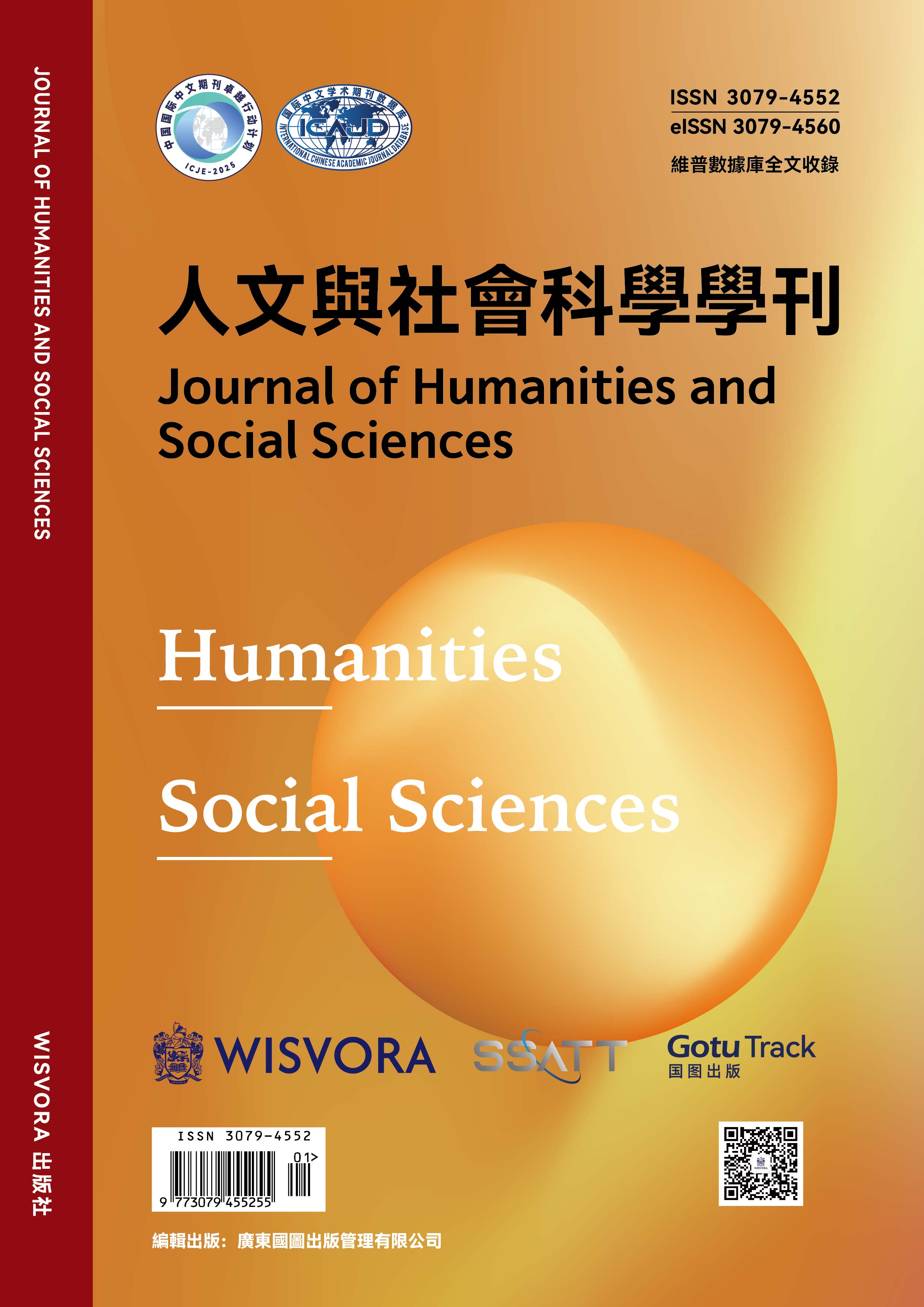
呼吸肌训练对运动表现的影响及其生理机制:研究进展与展望
Effects of Respiratory Muscle Training on Athletic Performance and Its Physiological Mechanisms: Research Progress and Prospects
摘要
呼吸肌训练(respiratory muscle training, RMT)作为提升运动表现的新型训练手段,近年来在体育科学领域受到广泛关注。本文系统综述了呼吸肌的结构与功能特征、运动中呼吸肌疲劳的发生机制及其对运动表现的制约作用,梳理了RMT的主要训练类型与参数优化方案,归纳了RMT在耐力性项目、技巧性与平衡性项目、球类与对抗性项目中的应用现状,并从肌纤维结构适应、肺通气功能增强、呼吸代谢反射减弱、核心稳定性与动力链优化四个方面阐述了RMT改善运动表现的生理机制。现有Meta分析证据表明,RMT可显著提高运动员最大吸气压(大效应量)、肺活量、每分最大通气量及计时测试成绩,其中吸气压力阈值负荷训练、持续8~12周、每周5~7天的方案效果最优。最后指出当前研究在样本代表性、机制研究深度、长期效果追踪等方面的不足,并对未来研究方向进行展望。
关键词
呼吸肌训练;运动表现;呼吸肌疲劳;呼吸代谢反射;核心稳定性;
Abstract
Respiratory muscle training (RMT), as a novel training method for improving athletic performance, has received extensive attention in sports science. This paper systematically reviews the structural and functional characteristics of respiratory muscles, the mechanisms of exercise-induced respiratory muscle fatigue and its restrictive effects on athletic performance, summarizes the main training types and parameter optimization schemes of RMT, and reviews its application status in endurance events, skill and balance events, as well as ball and combat sports. The physiological mechanisms by which RMT improves athletic performance are elaborated from four aspects: muscle fiber structural adaptation, enhanced pulmonary ventilation, attenuated respiratory metaboreflex, and optimized core stability and kinetic chain transmission. Existing meta-analysis evidence indicates that RMT can significantly improve athletes' maximal inspiratory pressure (large effect size), forced vital capacity, maximal voluntary ventilation, and time-trial performance, with inspiratory pressure threshold loading training lasting 8-12 weeks at a frequency of 5-7 days per week yielding the optimal effects. Finally, this paper points out the limitations of current research and prospects future research directions, aiming to provide theoretical references for the scientific application of RMT in sports training practice.
Keywords
respiratory muscle training; athletic performance; respiratory muscle fatigue; respiratory metaboreflex; core stability;
引用本文
何龙. 呼吸肌训练对运动表现的影响及其生理机制:研究进展与展望[J]. 人文与社会科学学刊. 2026, 2 (10): 90-94. DOI: 10.70693/202609089025.
APA引用
何龙. (2026). 呼吸肌训练对运动表现的影响及其生理机制:研究进展与展望. 人文与社会科学学刊, 2 (10), 90-94. https://doi.org/10.70693/202609089025
参考文献

 本文依据
知识共享署名 4.0 国际许可协议
授权发布。允许他人在署名原作者及来源的前提下复制、传播和使用本文。
本文依据
知识共享署名 4.0 国际许可协议
授权发布。允许他人在署名原作者及来源的前提下复制、传播和使用本文。
引用本文
国标引用
APA引用


Copyright © 2026 广东国图出版管理有限公司 Wisvora Publishing · 技术支持:广东国图信息技术有限公司
Email:gotu-track@wisvora.com 网址:gotu.wisvora.com
地址:广东省中山市博爱七路25号中山职业技术学院创新楼8层805
本社刊文依据
知识共享署名 4.0 国际许可协议
(CC BY 4.0)授权发布。允许他人在署名原作者及来源的前提下复制、传播和使用本社刊文。
 本出版社期刊出版地为中国香港,是面向全球的开放获取国际学术期刊;文章观点归属于作者,不代表本出版社立场。