 文献检索
文献检索

 PDF
PDF
 下载PDF
下载PDF
[1] 周晓丹, 许燕燕, 陈阳. 以学生为中心视域下教育学理论课程改革与实践——以“中外教育史与教育哲学”为例[J]. 陕西教育(高教), 2026, (9): 52-54.
[2] 李亚妮. 以学生为中心的线上教学实践探索[J]. 中学生物教学, 2022, (27): 66-67.
[3] 张进, 高英力. 人工智能驱动工科课程思政教学改革探索——以土木工程材料课程为例[J]. 教育信息化论坛, 2026, (3): 145-147.
[4] 余丽武, 朱平华, 张志军. 土木工程材料(第二版)[M]. 北京: 中国建筑工业出版社, 2021.
[5] 梁晟. 基于OBE教育理念的土木工程材料教学改革实践[J]. 山西青年, 2024, (14): 142-144.
[6] 徐欢, 刘先峰, 张小敏, 等.新工科背景下“土木工程材料”课程思政教学研究与探索[J]. 遵义师范学院学报, 2026, 28(3): 114-117.
[7] 范利丹, 李培涛, 徐平, 等. 基于新型土木工程材料案例教学的课程思政建设路径研究[J]. 高教学刊, 2025, 11(36): 175-179.
刊期目次
期刊订阅
添加您的邮件地址以接收即将发行期刊数据:
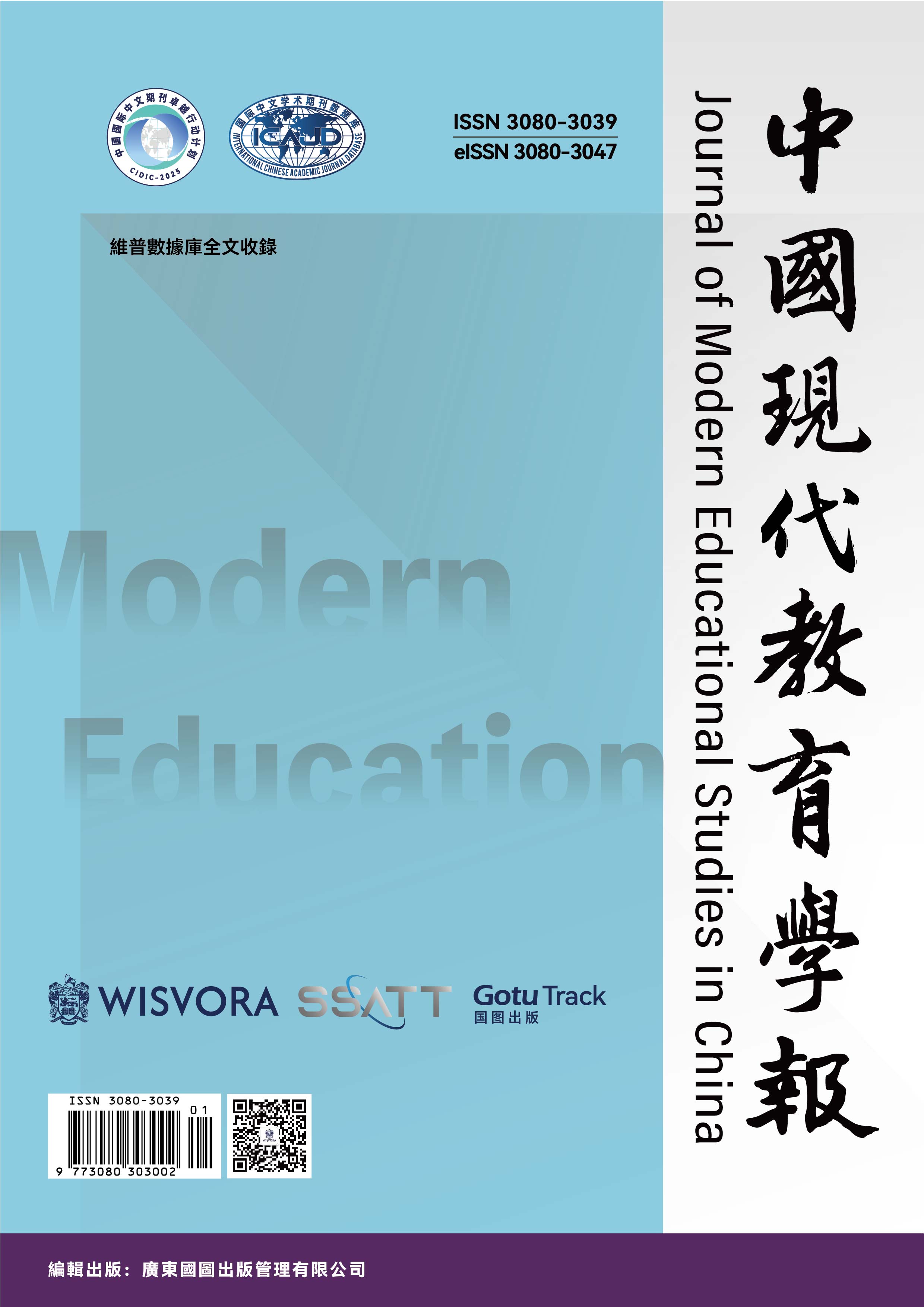
当前位置:中国现代教育学报
>
2026年9-10月-2卷5期
>
文章详情
Open Access
Article

“以学生为中心”理念下“学-研-创-用”一体化教学模式的构建与实践
Construction and Practice of the “Learning-Research-Innovation-Application” Integrated Teaching Model under the Student-Centered Concept
摘要
在“以学生为中心”本科教学改革和新工科建设的双重驱动下,传统《土木工程材料》课程面临着知识传授与能力培养失衡、工程实践载体缺乏、课程育人功能重视不足等突出痛点。本文基于“学生中心、产出导向、持续改进”理念,系统提出了“学-研-创-用”一体化的教学改革思路,构建了“ML+DJMCCS”线上线下混合式教学模式,从教学理念、教学内容、教学方法、课堂形态和考核方式五个维度进行了系统性重构。实践表明,该模式有效提升了学生的工程实践能力、创新思维和职业素养,学生评教满意度持续向好,学生在全国性学科竞赛中屡获佳绩,考研录取率与就业质量稳步提升,为同类专业基础课程的“以学生为中心”教学改革提供了可借鉴的范式。
关键词
土木工程材料;以学生为中心理念;学-研-创-用
Abstract
Driven by the dual imperatives of "student-centered" undergraduate teaching reform and the construction of emerging engineering education (New Engineering), the traditional Civil Engineering Materials course faces prominent challenges, including a disconnect between knowledge transmission and competency development, a lack of engineering practice platforms, and insufficient emphasis on the educational function of the curriculum. Grounded in the principles of "student-centeredness, outcome-based education, and continuous improvement," this paper systematically proposes an integrated teaching reform framework that unifies "learning–research–innovation–application." We develop a "ML+DJMCCS" blended online-and-offline teaching model and implement a systemic restructuring across five dimensions: teaching philosophy, content, methodology, classroom format, and assessment. Practice demonstrates that this model effectively enhances students' engineering practice capabilities, innovative thinking, and professional ethics. Student evaluation satisfaction has shown sustained improvement, students have achieved outstanding results in national discipline competitions, and both the postgraduate entrance examination admission rate and employment quality have steadily risen. This reform offers a replicable paradigm for "student-centered" pedagogical transformation in foundational core courses of related disciplines.
Keywords
Civil Engineering Materials, Student-Centered Concept, Learning-Research-Innovation-Application
引用本文
杨磊,刘惠,刘丽. “以学生为中心”理念下“学-研-创-用”一体化教学模式的构建与实践[J]. 中国现代教育学报. 2026, 2 (5): 31-36. DOI: 10.70693/202608318468.
APA引用
杨磊, 刘惠, 刘丽. (2026). “以学生为中心”理念下“学-研-创-用”一体化教学模式的构建与实践. 中国现代教育学报, 2 (5), 31-36. https://doi.org/10.70693/202608318468
参考文献

 本文依据
知识共享署名 4.0 国际许可协议
授权发布。允许他人在署名原作者及来源的前提下复制、传播和使用本文。
本文依据
知识共享署名 4.0 国际许可协议
授权发布。允许他人在署名原作者及来源的前提下复制、传播和使用本文。
引用本文
国标引用
APA引用


Copyright © 2026 广东国图出版管理有限公司 Wisvora Publishing · 技术支持:广东国图信息技术有限公司
Email:gotu-track@wisvora.com 网址:gotu.wisvora.com
地址:广东省中山市博爱七路25号中山职业技术学院创新楼8层805
本社刊文依据
知识共享署名 4.0 国际许可协议
(CC BY 4.0)授权发布。允许他人在署名原作者及来源的前提下复制、传播和使用本社刊文。
 本出版社期刊出版地为中国香港,是面向全球的开放获取国际学术期刊;文章观点归属于作者,不代表本出版社立场。