 文献检索

 公告
 PDF
 下载PDF
[1] 中国互联网络信息中心. 生成式人工智能应用发展报告(2025)[R/OL]. (2025-10-18)[2026-10-23]. https://www.cnnic.org.cn/n4/2025/1021/c88-11391.html.
[2] 中国互联网络信息中心. 第57次中国互联网络发展状况统计报告[R/OL]. (2026-02-05)[2026-10-23]. https://www3.cnnic.cn/n4/2026/0304/c88-11549.html.
[3] 中国互联网络信息中心. 生成式人工智能应用发展报告(2026)[R/OL]. (2026-09-29)[2026-10-23]. https://www.cnnic.org.cn/n4/2026/1008/c88-11704.html.
[4] 新京报AI研究院, 中国经济传媒协会. 中国AI大模型测评报告——大模型赋能传媒行业使用与满足研究[R/OL]. (2025-07-10)[2026-10-23]. https://m.bjnews.com.cn/detail/1752140099129381.html.
[5] 卜嘉敏, 张洪忠, 陈思羽. 2025年中国主流媒体AI大模型应用报告[R]//殷乐, 葛素表, 漆亚林. 中国媒体融合发展报告(2025). 北京: 社会科学文献出版社, 2025.
[6] 教育部等五部门. 教育部等五部门关于印发《“人工智能+教育”行动计划》的通知[EB/OL]. (2026-04-10)[2026-10-23]. https://www.moe.gov.cn/srcsite/A16/s3342/202604/t20260410_1433240.html.
[7] 陈积银, 李月. 生成式人工智能时代新闻传播教育的制度适配与专业实践回应[J]. 新闻与写作, 2026(9):36-48.
[8] 周葆华, 刘金卓. 人工智能如何进入新闻传播教育:基于全球头部院校的经验考察[J]. 新闻与写作, 2026(9):22-35.
[9] 国家互联网信息办公室等. 人工智能生成合成内容标识办法[EB/OL]. (2025-03-14)[2026-10-23]. https://www.cac.gov.cn/2025-03/14/c_1743654684782215.htm.
[10] MIAO F, HOLMES W. Guidance for generative AI in education and research[R]. Paris: UNESCO, 2023. DOI:10.54675/EWZM9535.
Open Access
Article

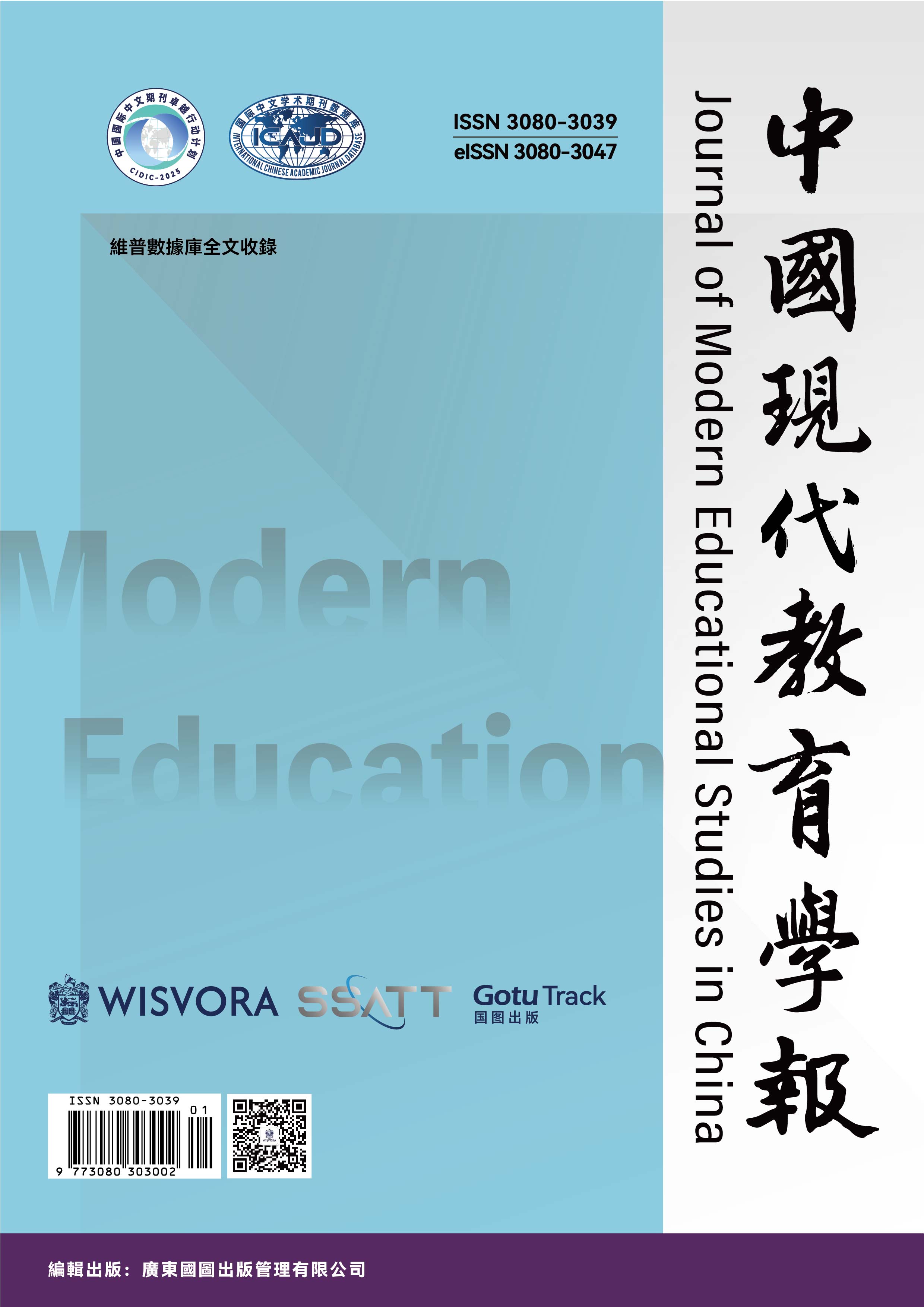
生成式AI在高校网络与新媒体专业产教融合中的应用探究
Application of Generative AI in Industry–Education Integration for University Network and New Media Programs
摘要
生成式人工智能正重塑网络内容生产的组织方式,也使高校网络与新媒体专业的产教融合面临从单项工具训练转向综合传播能力培养的要求。本文基于中国互联网络信息中心统计、媒体从业者调查及新闻传播教育研究,采用文献分析与岗位任务链分析方法,考察生成式AI的行业应用基础及现有教学衔接问题。研究认为,技术使用普及并不直接等于专业能力提高,产教融合仍面临项目约束不充分、跨课程知识衔接不足、生成内容核验薄弱及校企评价标准不一致等挑战。据此提出以真实传播需求统整课程内容、以学生主导的人机协同强化专业判断、以分阶段交付和校企联合评价促进成果转化的改革路径。相关建议为基于公开资料的教学改革构想,其实施成效仍需后续实证检验。
关键词
生成式人工智能;网络与新媒体专业;产教融合;跨课程协同;传播能力
Abstract
Generative artificial intelligence (GenAI) is reshaping digital content production and prompting university Network and New Media programs to reconsider how discipline-specific learning connects with professional practice. Drawing on official Chinese internet statistics, a survey of media practitioners, and research on journalism and communication education, this study uses documentary analysis and a professional task-chain perspective to examine industry adoption and persistent gaps in university–industry collaboration. The findings suggest that widespread technological use does not necessarily translate into professional competence. Key challenges include insufficiently authentic project constraints, weak connections among courses, inadequate verification of AI-generated content, and inconsistent assessment criteria across universities and industry partners. The paper proposes cross-course projects guided by real communication needs, student-led human–AI workflows, staged deliverables, and joint evaluation of professional outcomes. These proposals are research-informed pathways rather than empirically verified gains in student performance.
Keywords
generative artificial intelligence; network and new media; industry–education integration; cross-course collaboration; communication competence
引用本文
陈思萌. 生成式AI在高校网络与新媒体专业产教融合中的应用探究[J]. 中国现代教育学报. 2026, 2 (6): 19-23. DOI: 10.70693/202610237531.
APA引用
陈思萌. (2026). 生成式AI在高校网络与新媒体专业产教融合中的应用探究. 中国现代教育学报, 2 (6), 19-23. https://doi.org/10.70693/202610237531
参考文献

 本文依据
知识共享署名 4.0 国际许可协议
授权发布。允许他人在署名原作者及来源的前提下复制、传播和使用本文。
引用本文
国标引用
APA引用


Copyright © 2026 广东国图出版管理有限公司 Wisvora Publishing · 技术支持:广东国图信息技术有限公司
Email:gotu-track@wisvora.com 网址:gotu.wisvora.com
地址:广东省中山市博爱七路25号中山职业技术学院创新楼8层805
本社刊文依据
知识共享署名 4.0 国际许可协议
(CC BY 4.0)授权发布。允许他人在署名原作者及来源的前提下复制、传播和使用本社刊文。
 本出版社期刊出版地为中国香港,是面向全球的开放获取国际学术期刊;文章观点归属于作者,不代表本出版社立场。